 IT-BAER
Apps and tools for self‑hosters and admins
IT-BAER builds Android apps, Windows software and self-hosted services, from tools for a clustered homelab to enterprise software running across a multi-site company network. Some are open source, some are paid products, and each one started as a real problem at work or at home.
See the projectsExplore in space
A scroll tour of these same projects.
Projects
HAwake
Turns an Android phone, tablet or wall panel into an always-listening Home Assistant voice satellite, with on-device wake word detection. A paid app on Google Play.
Website- hawake-wakewordTrains custom wake word models for HAwake.GitHub
CYNC

Syncs Microsoft Entra ID users into Exchange Online contact folders, so every mailbox keeps a current company address book. The Windows service includes an admin app and uses an offline license.
Websitephotobaer
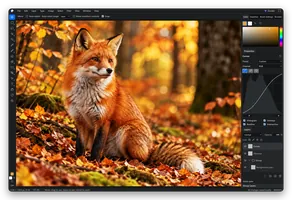
An image editor in the browser, with layers, adjustment layers, layer styles, blend modes and PSD open and save. A Rust/WebAssembly engine with a WebGPU viewer; works offline.
Website- photobaer on GitHubThe source code.GitHub
FinX
A free, self-hosted personal finance tracker with a web app and an optional AI assistant.
GitHub- myfinx.appThe Android app and the paid hosted version.Website
proxmorph
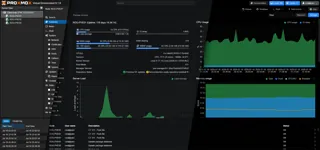
A theme pack for Proxmox VE, Proxmox Backup Server and Proxmox Datacenter Manager that plugs into the built-in theme selector, with an optional hardware sensor overlay.
GitHubhado
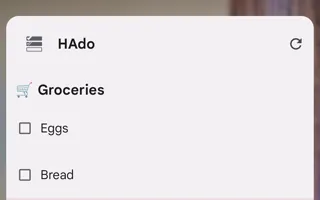
Puts Home Assistant to-do lists on the Android home screen, through a widget and a companion app. Works offline in Local Mode, with no backend and no tracking.
GitHubgrafana
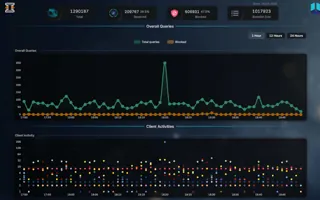
Importable Grafana dashboards for homelab and infrastructure monitoring, including Unbound DNS statistics through the OPNsense API.
GitHub- GoomA Grafana panel that runs the classic id Tech 1 engine, with Freedoom built in.GitHub
glance
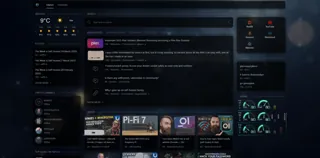
Ready-to-use configuration files for Glance, the self-hosted homelab start page.
GitHuballoy-aio
One-line Grafana Alloy installers for Linux, Windows and Proxmox containers and VMs, sending logs to Loki and metrics to Prometheus. Includes a Proxmox guest metrics exporter.
GitHubproxmox-rmem
A small host daemon that corrects inflated VM memory reporting in Proxmox VE 9 for Linux, BSD and Windows guests.
GitHub
More projects
Distributed iperf3 testing. Agents run on the hosts under test; a web dashboard discovers them, runs TCP and UDP tests and shows live throughput.
A Windows desktop dashboard that launches RSAT and built-in admin tools under domain admin credentials.
Embeds external websites as Nextcloud dashboard widgets: public widgets set by the admin, group widgets, and one personal widget per user.
Makes links in dashboard widgets open in the same tab.
Syncs calendars, tasks and contacts to Android over CalDAV, CardDAV and WebCal, for Nextcloud and other DAV servers. On Google Play.
Turns a spare Android tablet into an always-on photo frame. Photos arrive over the home Wi-Fi from any browser, after scanning a QR code on the frame. In closed testing on Google Play.
An original browser action RPG inspired by Path of Exile 1 and 2, with a public devlog. A work in progress with no public build yet; the website is a teaser.


About
IT-BAER is my one-person software business in Klagenfurt, Austria. By day I run company IT: infrastructure, networking, security, identity, automation and observability. Most IT-BAER projects start there, as a problem I had to solve anyway. I build for self-hosters, admins and small organizations, with security, transparency and user control first. Open source where that works, paid where there is a real product to support.
How I build
Every project starts with careful planning and a written specA short document that says what the software must do and how we check that it does it.. State-of-the-art AI coding agentsAI programs that read and write code on their own, under rules I set and review. then build it against that spec, test-drivenThe checks are written before the code, and the code is built until the checks pass.: a failing testFirst write down how success looks, see that it is not there yet, then build it until the check says yes. first, then the code that makes it pass. I review every change myself, and every release gets hours of hands-on testing on my own systems before it ships.